
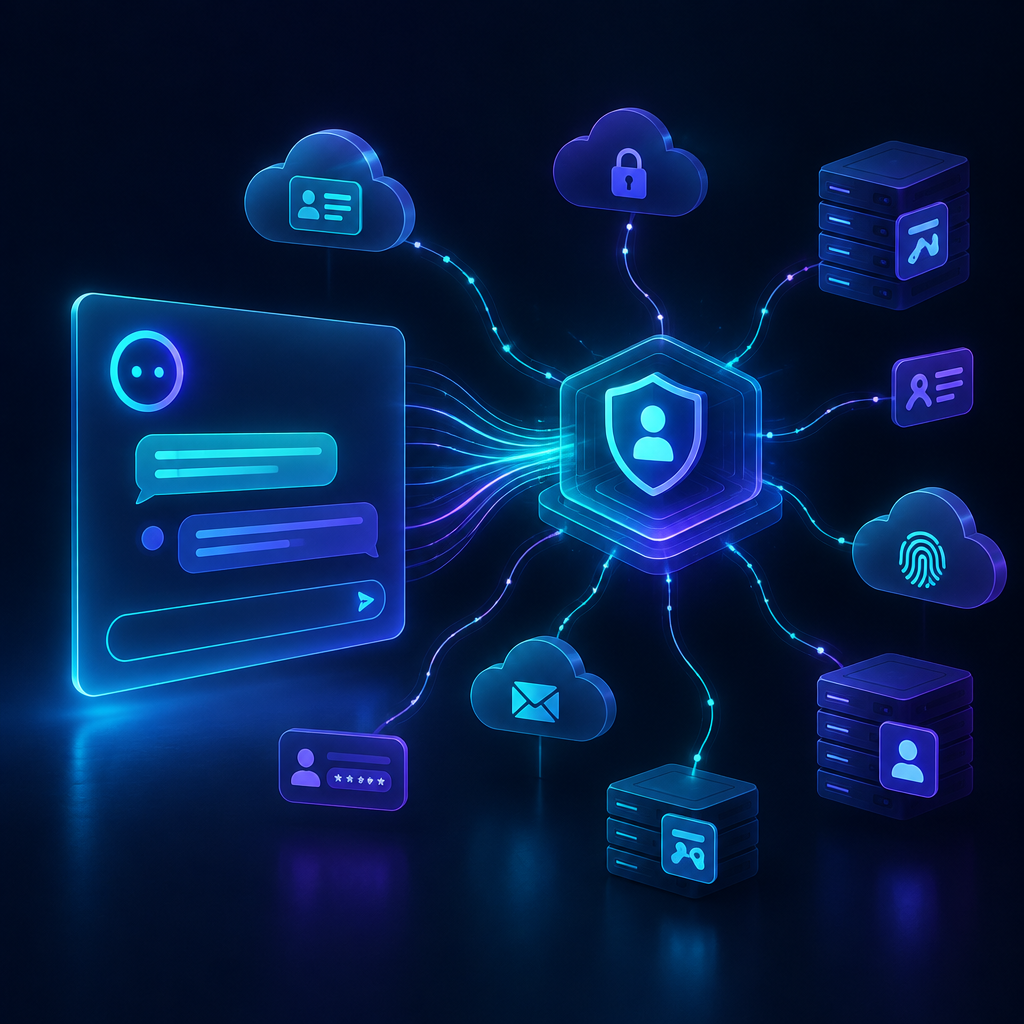
Security tooling has a usability problem that vendors rarely discuss openly: the people who need answers fastest are the least likely to have time to learn a new console. Non-human identity security makes that tension acute. The estate changes hourly, the questions arrive from incident responders under pressure, and the answers live across cloud, SaaS, and on-premises systems that were never designed to be queried together. Token Security’s launch of an MCP server for non-human identity work is a bet that the interface, not just the engine, is where the next competitive advantage sits.
The problem with dashboard-shaped security
Non-human identity platforms have largely followed the pattern of every other security category: ingest everything, score the risk, present a ranked list. That model works when an analyst has an afternoon to triage. It breaks when a responder needs to know, in ninety seconds, whether a specific service account has access to a production database and who owns it.
Model Context Protocol offers a different shape. By exposing an NHI platform’s capabilities as tools that an AI assistant can call, the vendor moves the query into the interface the responder is already using. The natural language prompt becomes the API call. The output is an answer, not a chart.
What this changes for identity teams
Faster triage during live events
The clearest benefit is investigative velocity. Questions that previously required a console session, a filter builder, and a cross-reference against a CMDB can be answered conversationally. In a machine identity incident, where the containment clock is measured in minutes, that compression matters more than any single feature.
A narrower blast radius for access
Every human who logs into a security platform is another account with privileges over the very estate being protected. Delegating routine queries to an assistant that holds scoped tool access, rather than full console credentials, reduces the number of high-privilege human sessions. It does not eliminate the problem, but it changes its shape.
New governance questions of its own
An assistant querying an NHI platform is, unavoidably, another non-human identity. It needs its own credentials, its own scoping, its own audit trail, and its own decommissioning plan. Teams that adopt conversational access without extending lifecycle governance to the assistant have simply added a well-connected shadow identity to the estate they were trying to get under control.
The pattern worth watching
Through an NHI lens, the interesting thing about this launch is not the protocol. It is the direction of travel. Security platforms are being rebuilt as sets of callable tools so that both humans and agents can operate them. That is a sensible response to the operational reality of machine-speed estates. It also means the boundary between the security control plane and the identities it governs is thinning.
The teams that handle this well will treat every assistant, integration, and agent as a first-class non-human identity from day one: least privilege, short-lived credentials, explicit ownership, and a monitored audit trail. The ones that do not will find that the fastest way to query their identity estate has become the newest way to lose control of it.