
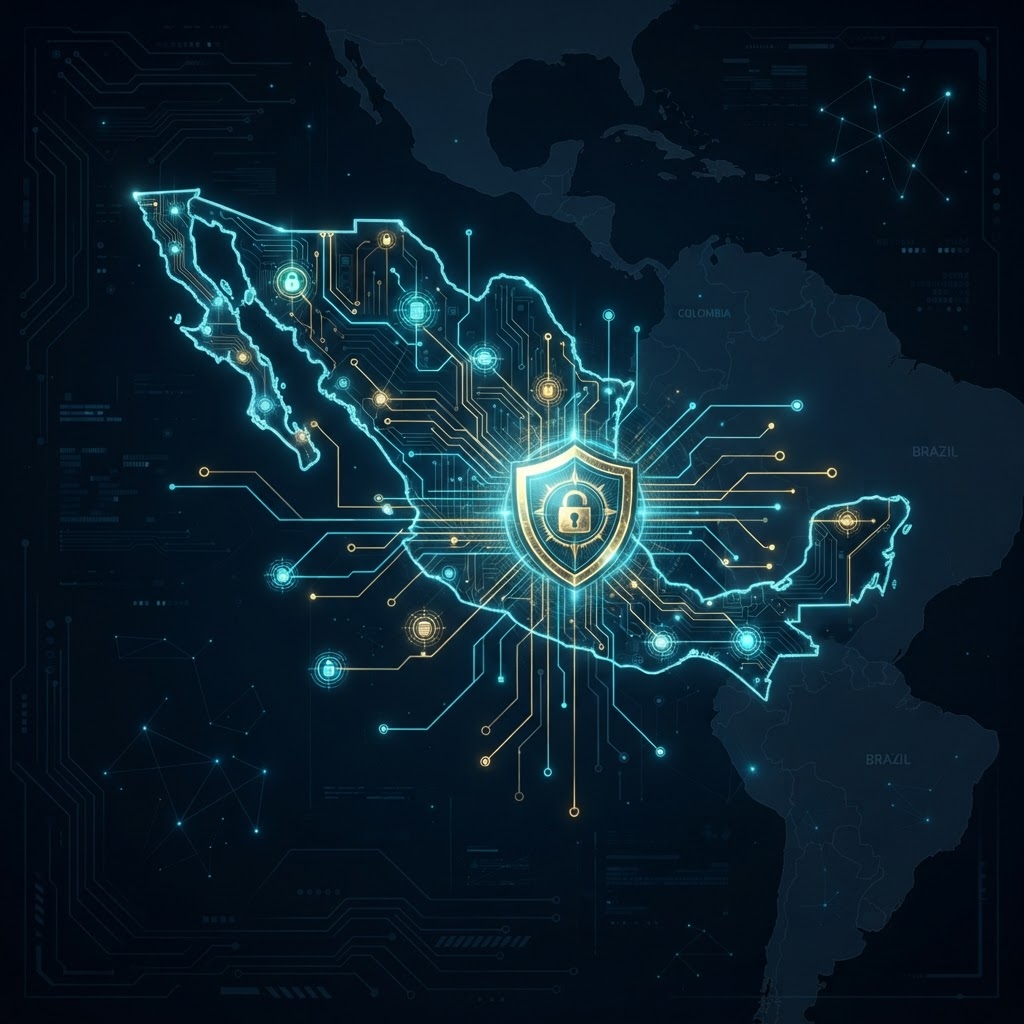
Grupo TEAM’s expansion of its Mexican cybersecurity portfolio with SailPoint marks another milestone in the regionalisation of identity security. As Latin America’s largest enterprises digitise banking, government services, and cross-border commerce, the demand for mature identity governance and administration (IGA) is growing faster than the local delivery capacity. Regional distributors with certified identity practices are becoming the bridge, and their expansion decisions are a useful signal of where enterprise security budgets are moving.
The problem: identity governance demand outruns regional delivery
Mexico’s digital economy has scaled rapidly, but its security talent and integration capacity have not kept pace. Large organisations there face the same identity pressures seen in mature markets, cloud adoption, regulatory expectations, third-party ecosystems, and now AI agents, with fewer experienced IGA delivery partners to implement governance platforms. The gap is more acute for identity than for other security domains because IGA deployments are long-running programmes requiring business process change, not just product installation.
What the SailPoint expansion delivers
By adding SailPoint to its portfolio, Grupo TEAM gains the ability to deliver identity lifecycle management, access governance, and certification automation to Mexican enterprises through a partner with local presence and language. For end customers, that means implementations staffed regionally, support in timezone, and governance programmes adapted to local regulatory and business contexts rather than imported wholesale. Regional delivery also matters for sovereign data concerns, which increasingly shape identity architecture decisions across Latin American governments and financial institutions.
Identity governance as a regional growth market
The expansion reflects a broader market truth: identity governance is now a global enterprise requirement, not a North American and European one. As banks modernise core systems, governments digitise citizen services, and manufacturers automate supply chains, every process becomes an identity-bearing workflow. Regional cybersecurity distributors are responding by building out identity practices because their enterprise customers are being asked by auditors, regulators, and insurers to demonstrate control over who and what has access to critical systems. Identity is the control point for all of it.
Signals for security leaders
For CISOs in growing markets, the lesson is to treat identity governance investment as early infrastructure rather than late compliance. Enterprises that build IGA maturity before regulatory pressure arrives onboard partners, cloud platforms, and AI-driven automation onto a governed foundation. For vendors and distributors, the signal is equally clear: regional delivery capability, not product features, is the constraint on IGA adoption, and partners who invest in certified identity practices will capture the demand.
Identity security’s centre of gravity is spreading beyond its traditional strongholds, and Mexico’s expanding identity delivery ecosystem is one more proof that identity governance has become a default enterprise requirement worldwide.